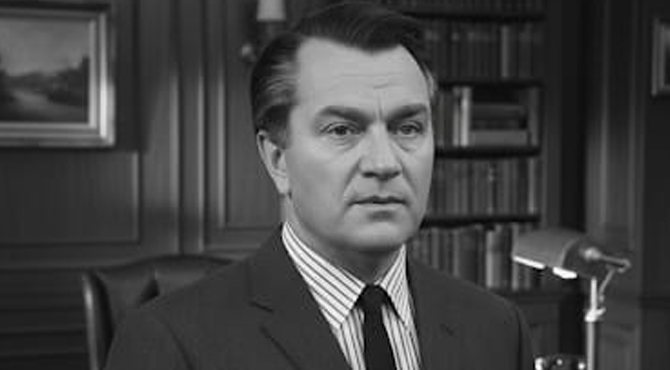
Robert Mandan was a performer of unmistakable elegance and precision. With a commanding voice and impeccable timing, he brought intelligence and polish to every role, from drama to comedy. Best remembered for his scene-stealing work on television, he built a career that spanned more than six decades. When he passed away on April 29, 2018, at 86, he left behind a legacy defined by craftsmanship, professionalism, and enduring charm.
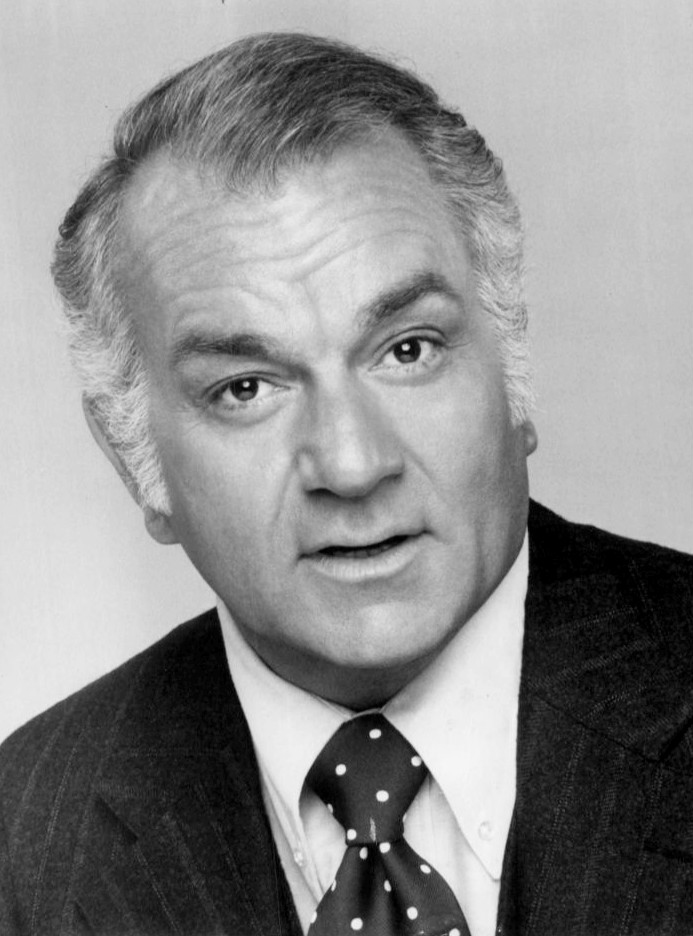
Robert Mandan was born on February 2, 1932, in Clever, Missouri, and raised in California. From an early age, he displayed both intelligence and creative ambition. He studied drama at the University of Southern California before further refining his craft in New York, where he immersed himself in theater. The stage would become his lifelong foundation — a place where he honed the commanding presence and vocal polish that later defined his screen persona.
Mandan’s early career reflected the path of many classically trained actors of his era: steady work, diverse roles and an unwavering commitment to craft. He appeared in numerous television series during the golden age of episodic TV, including Western staples such as Laramie, Gunsmoke and The Virginian. These appearances revealed his versatility — he could project authority, charm or menace with equal conviction. In an era dominated by rugged heroes and frontier drama, Mandan brought refinement and nuance to the screen.
Though he worked consistently in dramatic roles, it was comedy that ultimately gave him his most iconic part. In 1977, Mandan was cast as Chester Tate on the groundbreaking sitcom Soap. As the wealthy, self-absorbed and flamboyantly egotistical husband of Jessica Tate, he delivered a masterclass in controlled absurdity. Chester was vain, dramatic, often clueless — and utterly unforgettable. Mandan never played him as a caricature; instead, he infused the character with theatrical grandeur, making every raised eyebrow and perfectly timed line reading a comedic event.
His performance on Soap demonstrated his deep understanding of rhythm and restraint. He knew when to hold a beat, when to exaggerate just enough, and when to let silence amplify the joke. Audiences loved to laugh at Chester, but they also recognized the skill behind the performance. It was comedy rooted in technique.
Beyond Soap, Mandan continued to build an impressive television résumé. He appeared on shows such as The Love Boat, Three’s Company, Fantasy Island and Murder, She Wrote. Each role, no matter how brief, bore his signature polish. He had the rare ability to elevate material simply by inhabiting it fully.
Yet television was only part of his story. Mandan remained devoted to the theater throughout his life. He toured nationally in productions of Applause, The Best Little Whorehouse in Texas and other stage hits, proving that his talents extended well beyond the camera. Colleagues often remarked on his professionalism — he arrived prepared, respected the ensemble and treated the craft with seriousness even when the material was lighthearted.
What set Robert Mandan apart was his understanding of character architecture. He built roles from the inside out, crafting backstories, motivations and subtle mannerisms that made even secondary characters memorable. He was part of a generation that bridged the elegance of Old Hollywood with the evolving realism of modern television. His style was neither outdated nor trendy; it was timeless.
Offscreen, Mandan was known for his intelligence and warmth. Friends described him as articulate, witty and deeply thoughtful about the industry he loved. He witnessed enormous changes in entertainment — from black-and-white television to streaming-era storytelling — yet he remained grounded in the fundamentals of performance.
When he passed away in Los Angeles in 2018, tributes from colleagues and fans reflected a shared sentiment: Robert Mandan represented professionalism. He was the kind of actor who made it look easy — a quality that often disguises how difficult the work truly is.
His legacy lives on in reruns, archival performances and the laughter he continues to generate decades later. Younger audiences discovering Soap for the first time still find themselves captivated by Chester Tate’s dramatic flourishes. That endurance is the hallmark of true artistry.
Robert Mandan leaves behind not just a catalog of roles, but a standard — a reminder that elegance, preparation and craft never go out of style. In an industry often chasing the next sensation, he stood as proof that longevity is built on skill.
He may have played characters obsessed with appearances, but the lasting impression he leaves is one of substance. And for that, the curtain falls not in silence, but in applause.